



DISCUSSION GUIDE
The Amazing Grace Discussion Guide brings history, voice, and action together—revealing how belief becomes movement, and movement becomes lasting change.
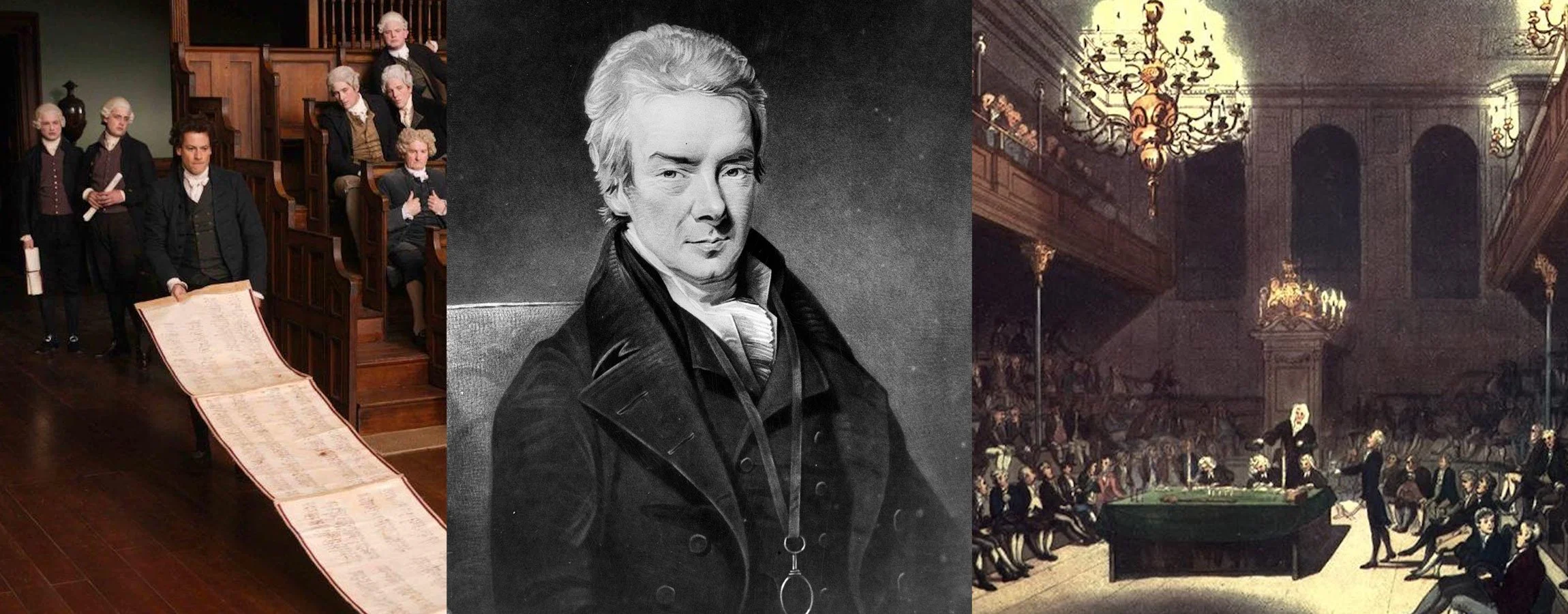
1. The Fight for Change
Change doesn’t happen all at once. It is built—argument by argument, voice by voice, year after year.
Amazing Grace follows William Wilberforce and a movement that refused to give up—transforming belief into action, and action into law.
This is how change actually happens: through persistence, coalition, and and the courage to stand up when it would be easier not to.
2. Witness to Truth
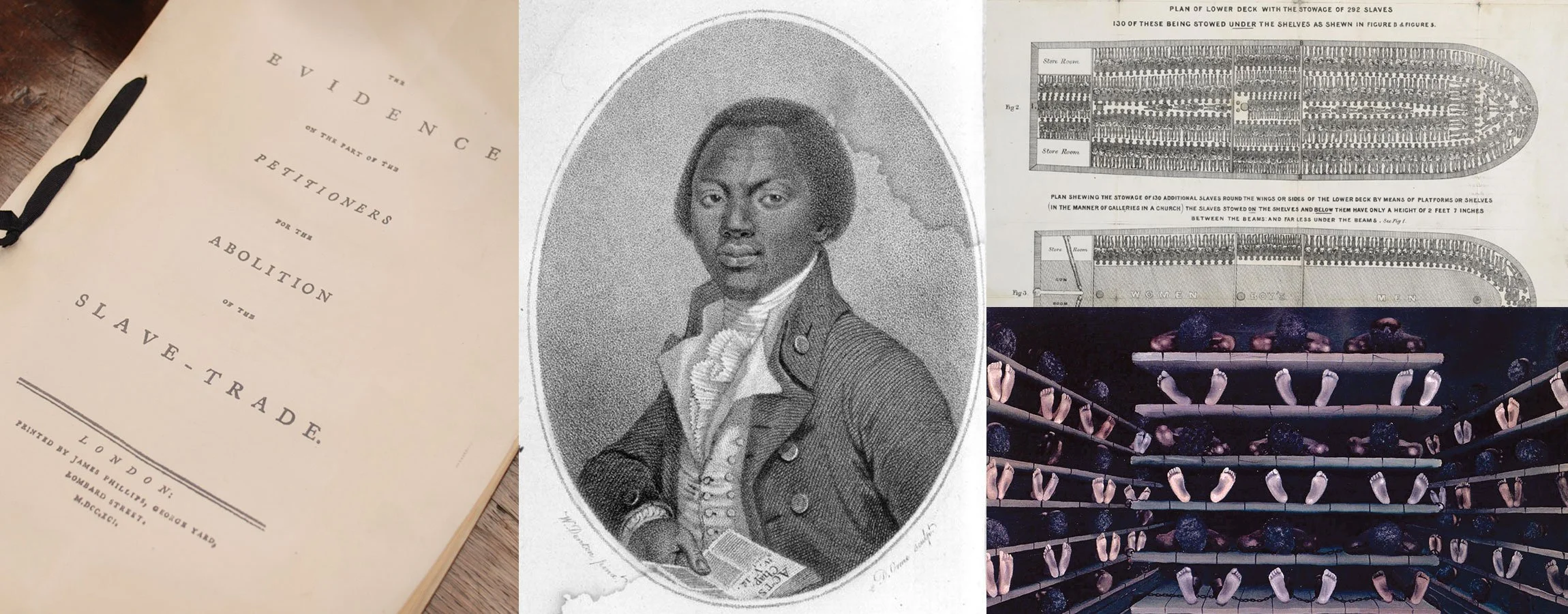
Through voices like Olaudah Equiano’s, the realities of the slave trade became impossible to ignore—turning distant injustice into human experience. Stories did what statistics alone could not: they made people feel, and therefore, act.
Before change can happen, truth must be seen.
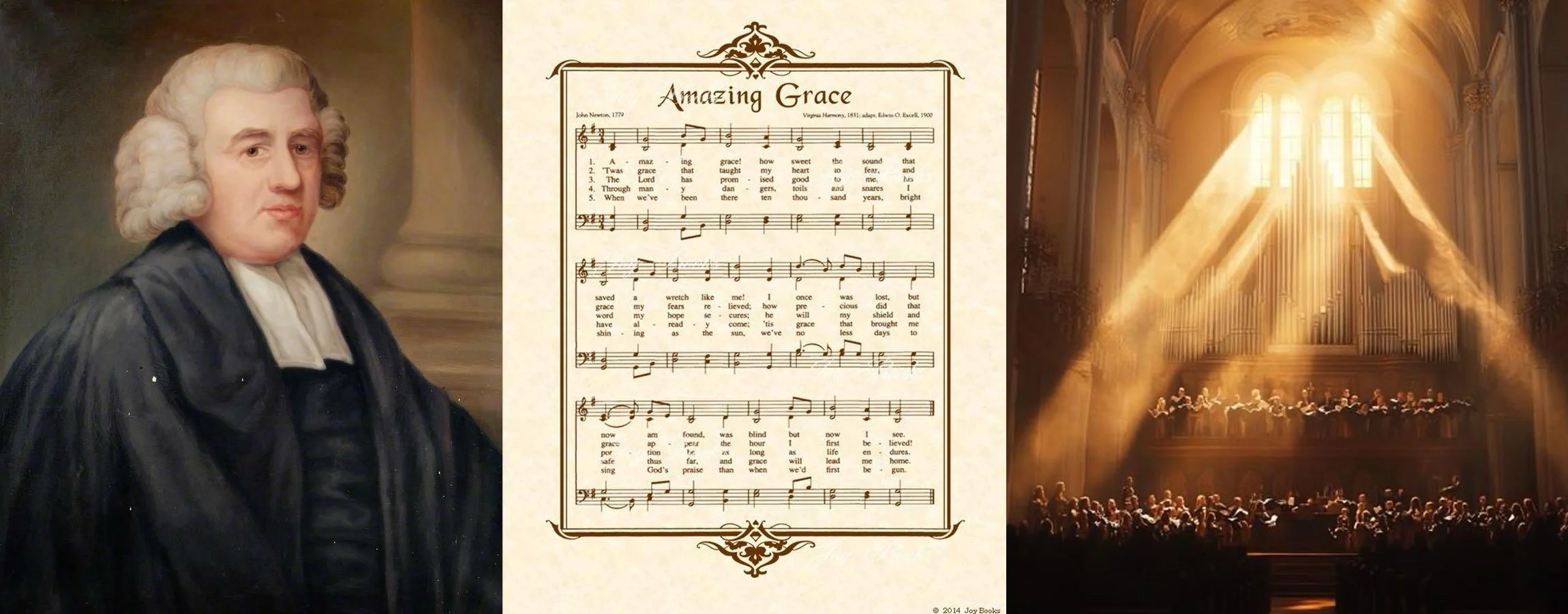
3. The Power of a Voice
Some ideas travel further when they become part of the culture.
Written by John Newton, Amazing Grace became more than a song—it became a shared language of reflection, redemption, and hope. It carried the spirit of a movement beyond politics, into hearts, communities, and generations.
4. Conviction & Conscience
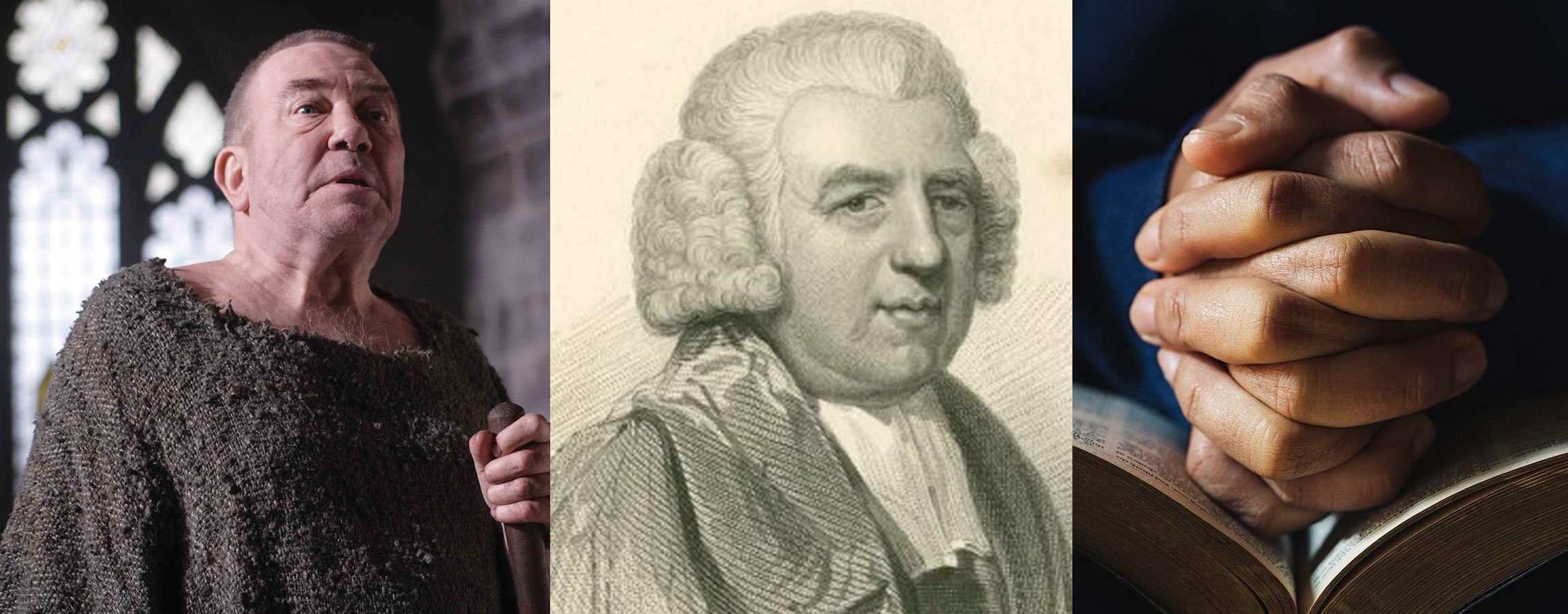
For some, belief is rooted in faith.
For others, in a sense of justice, empathy, or responsibility. This story lives at that intersection—where inner conviction becomes outward action, and where personal belief shapes the world around us.
The forces that drove change then still exist today. And the question remains:
What do we believe—and what are we willing to do about it?