



THE STORY
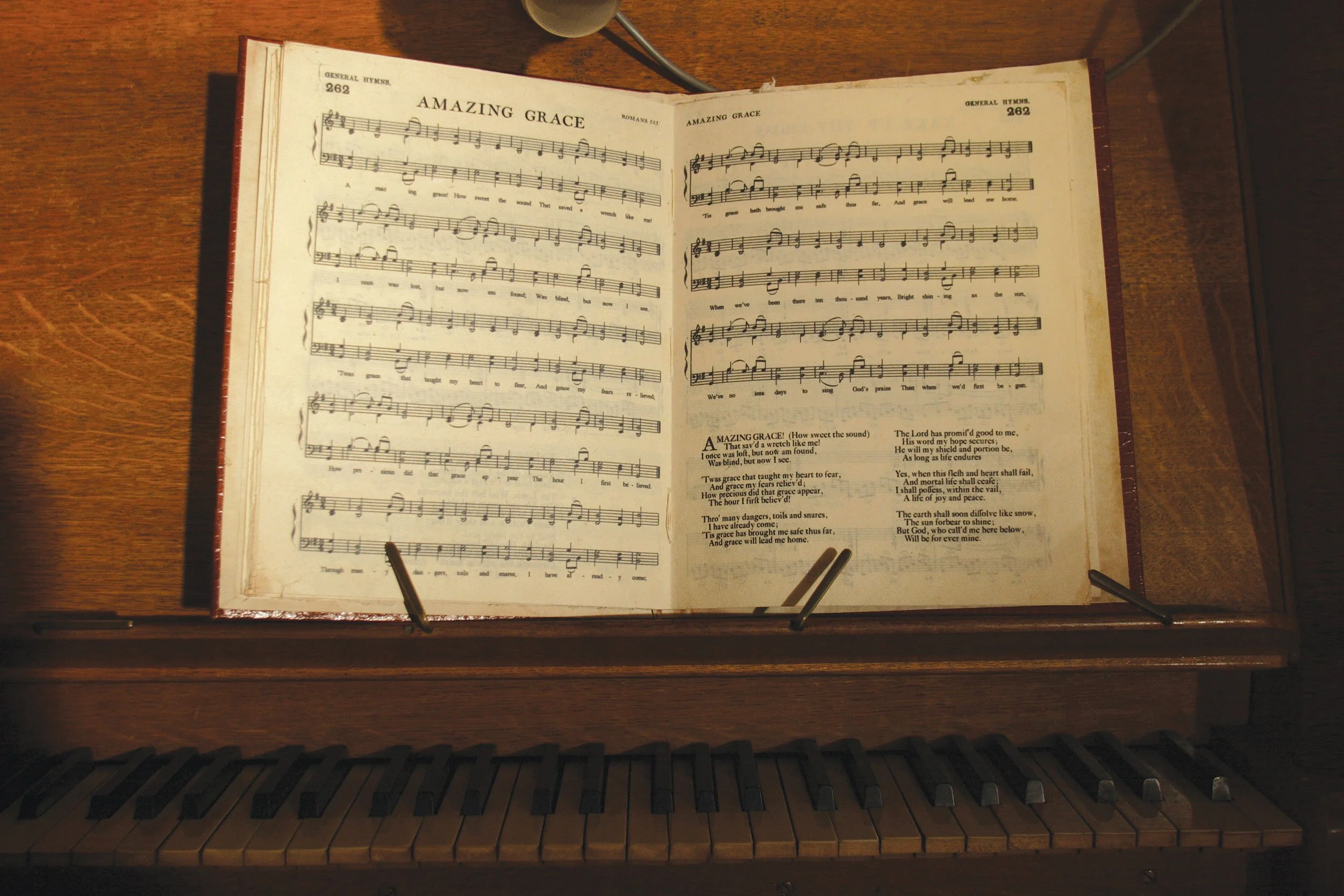
Amazing Grace tells the true story of William Wilberforce, the British parliamentarian who led the decades-long fight to abolish the slave trade.
Elected to Parliament at just 21, Wilberforce seemed destined for a life of comfort and influence—until a profound spiritual awakening and a life-changing encounter with former slave Olaudah Equiano compelled him to take up a far greater cause. Driven by faith and an unshakable sense of justice, he builds an unlikely coalition to challenge the most powerful economic and political forces of his time.
Alongside mentor and former slave trader turned abolitionist Rev. John Newton, Prime Minister William Pitt, and activist Thomas Clarkson, he faced fierce opposition in a relentless campaign to end one of history’s greatest injustices. A story of courage and conviction, Amazing Grace shows how one man helped change the course of history.
*****
Key Players
The heroes in this film are based on real historical figures. Each of their lives was as fascinating as the next as they followed their faith and fought for what they believed in.
William Wilberforce
(1759-1833)
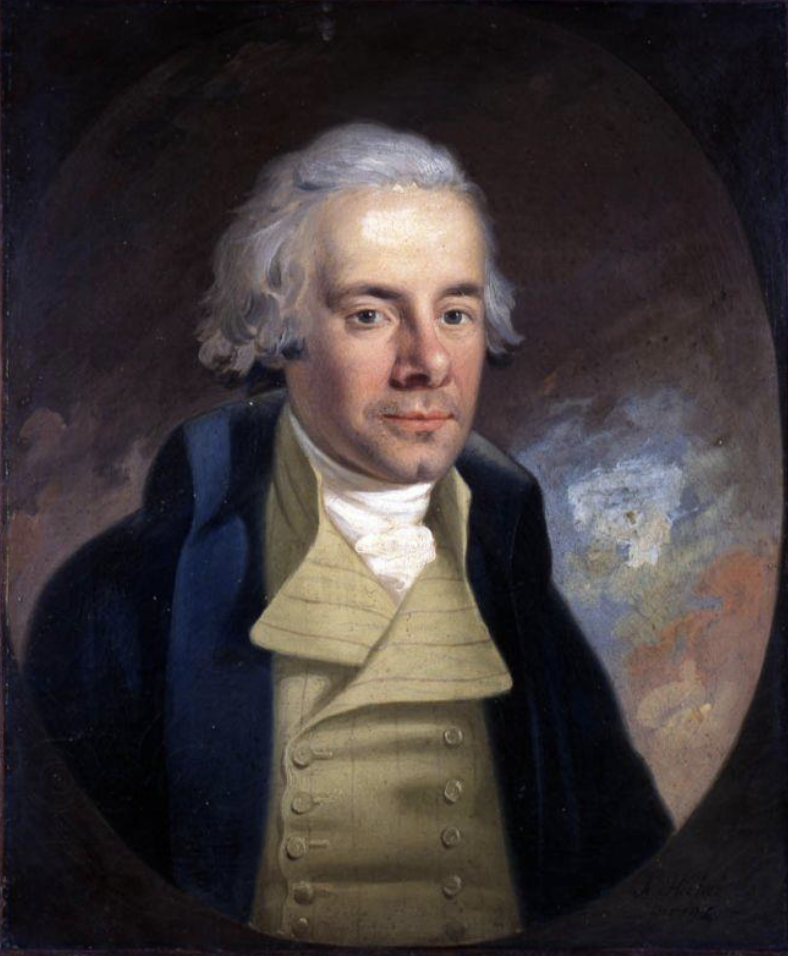
William Wilberforce
by Anton Hickel
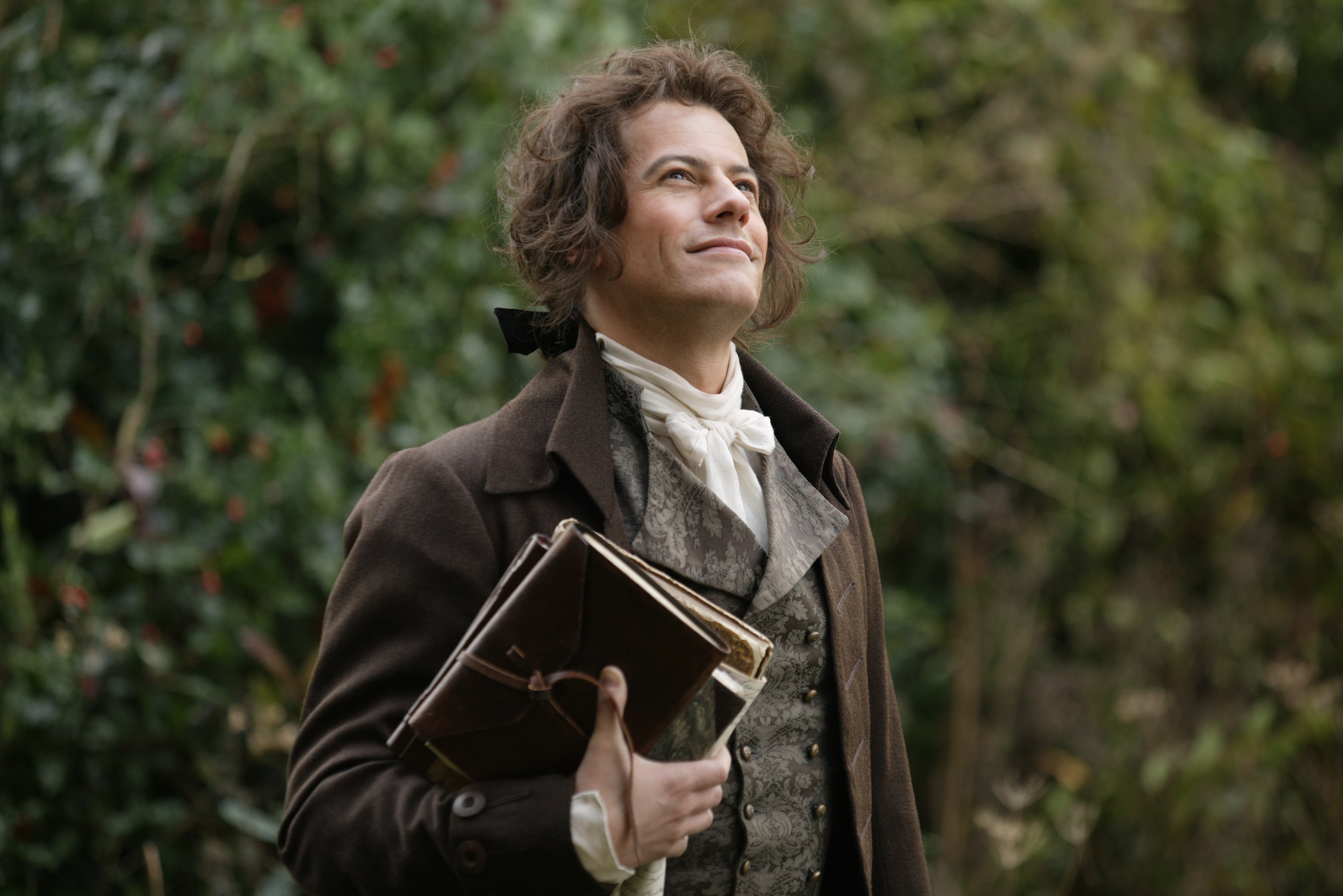
Ioan Gryffudd
as William Wilberforce
William Wilberforce was first elected to the House of Commons at the age of 21 and dedicated the rest of his life to leading the fight to abolish the slave trade in the British Empire. Though he was chronically ill and his anti-slave trade bills were repeatedly rejected by Parliament, his courage and passion to abolish injustice led him to be referred to as the “conscience of Parliament.” He also worked to collect evidence of the crimes of the slave trade, collected 390,000 signatures to support his cause, and relentlessly crafted anti-slave trade bills.
After almost 20 years of leading the British abolitionist movement, Wilberforce wept tears of victory when the slave trade throughout the British Empire was finally abolished in 1807. Because Wilberforce also believed in reforming the larger society, his good works included prison reform, fair care for prisoners of war, improving hospitals and the lot of the poor, the prevention of cruelty to animals, and societal reforms in India and around the world. But his passion to abolish the slave trade always came first.
John Newton
(1725-1807)
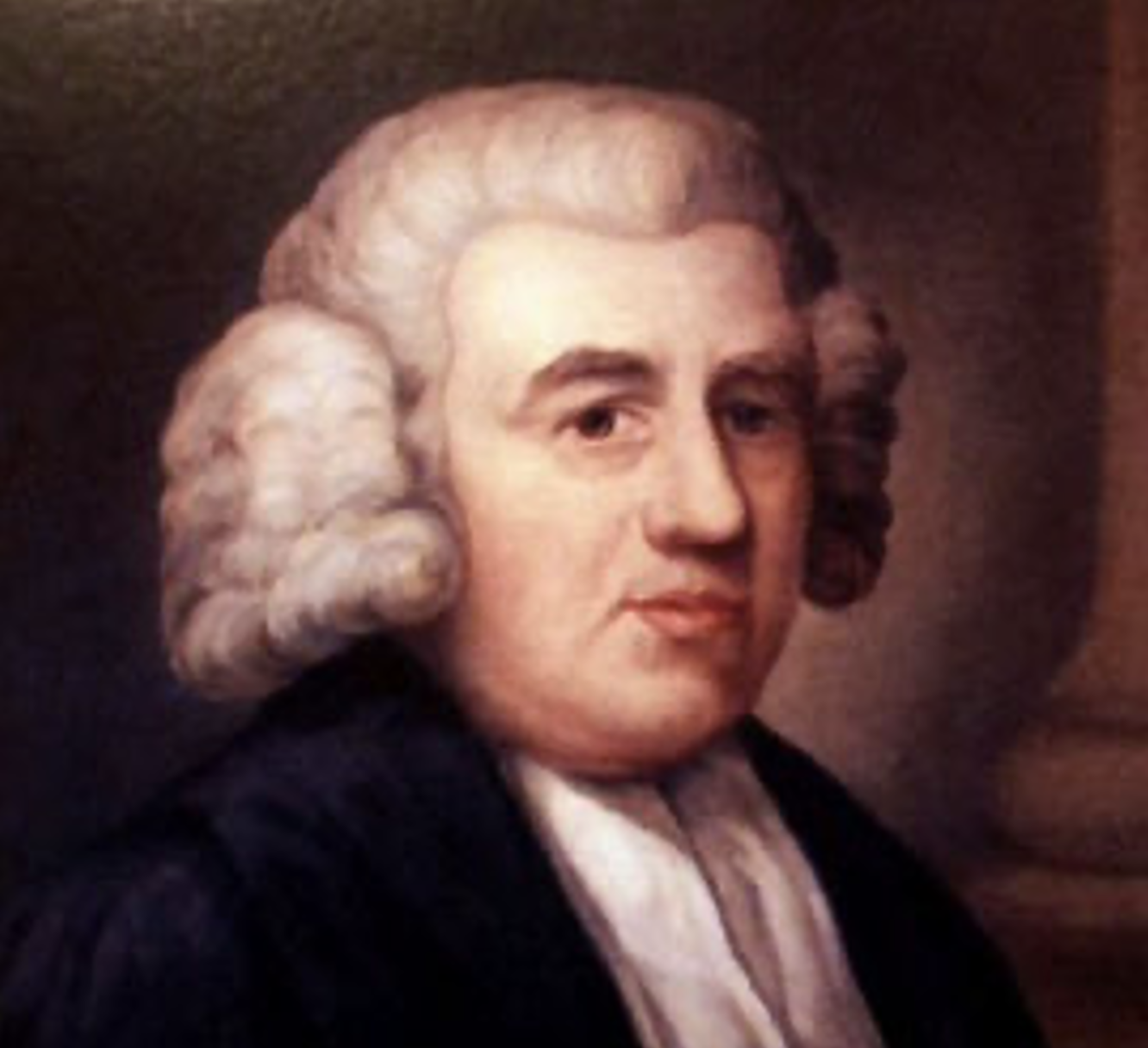
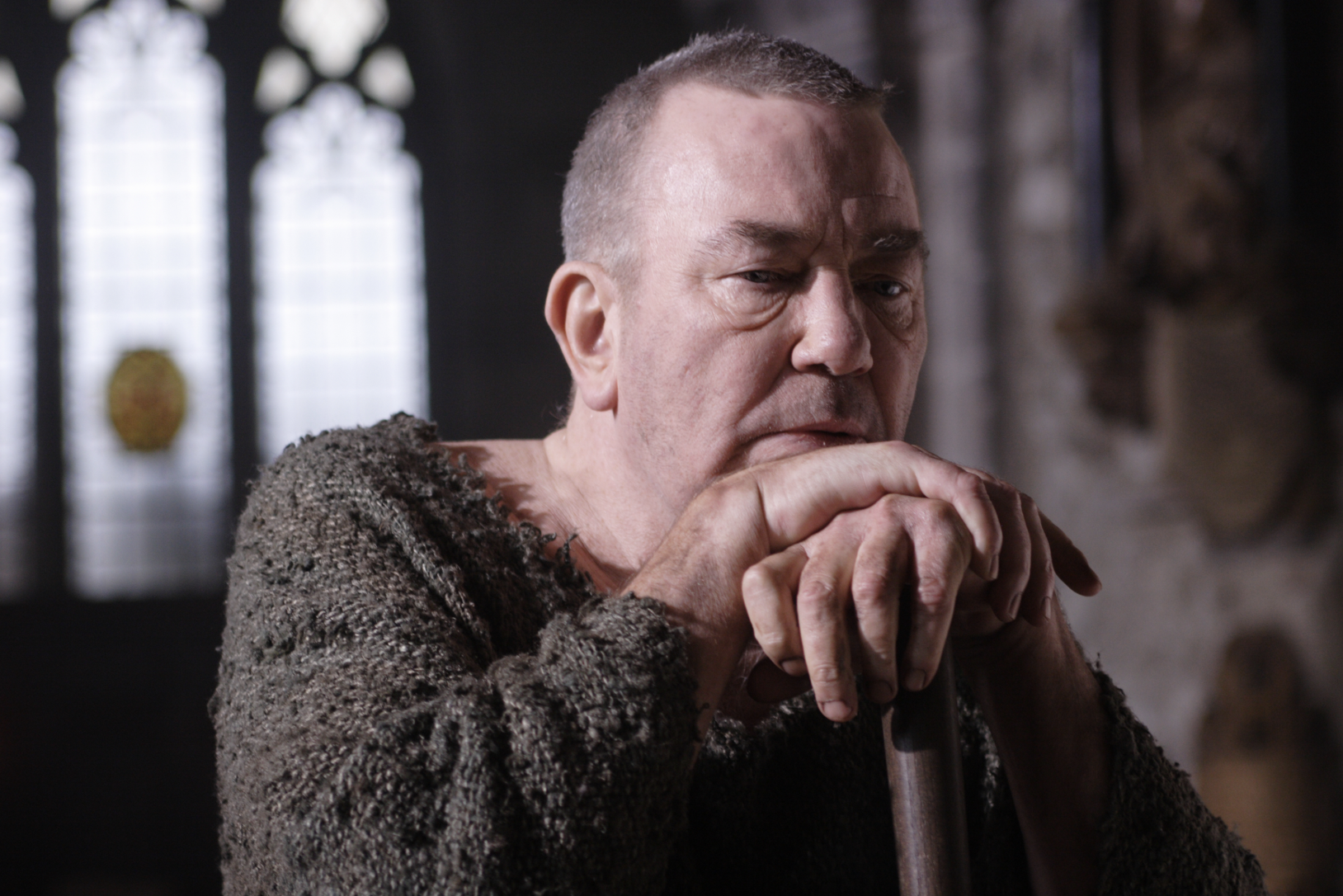
JohnNewton
by William Samuel Wright
Albert Finney
as John Newton
Born into a captain’s family who traded at the East India Company, John Newton first embarked on sea voyages at the young age of 11. He soon entered the prosperous slave trade until he nearly died on a voyage that would change his life forever. He proclaimed, “Only God’s amazing grace could and would take a rude, profane, slave-trading sailor and transform him into a child of God.” This would influence his famed hymn Amazing Grace, in which he declared he was once blind but now could see.
Newton wrote the hymn after converting to Christianity in 1748 and abandoning his involvement in the slave trade. As a child, William Wilberforce attended the church where Newton served as pastor. The two became reacquainted years later, when Wilberforce was in his twenties and preparing for a career in the British Parliament. Wilberforce's outspoken opposition to slavery may also have encouraged Newton to make his first public confession of guilt over his past participation in the slave trade.
Olaudah Equiano
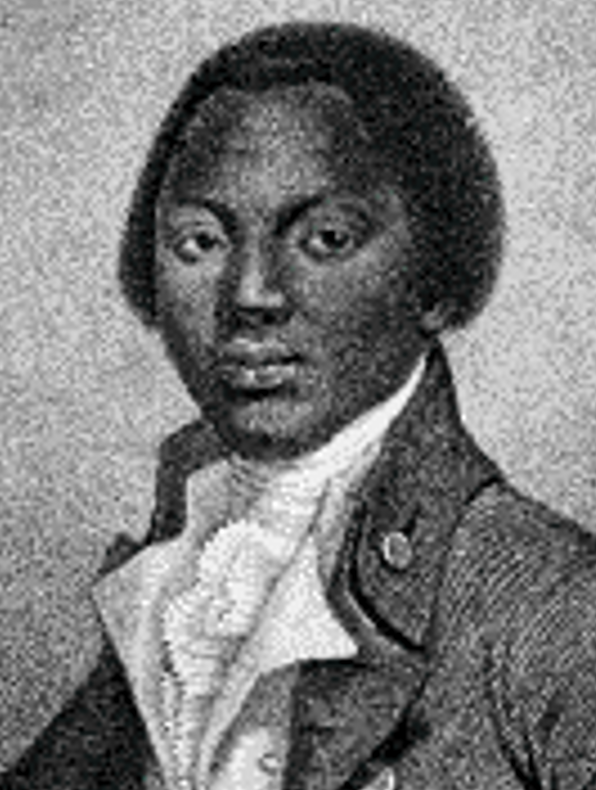
(1745-1797)
Olaudah Equiano
(Frontispiece of his autobiography)
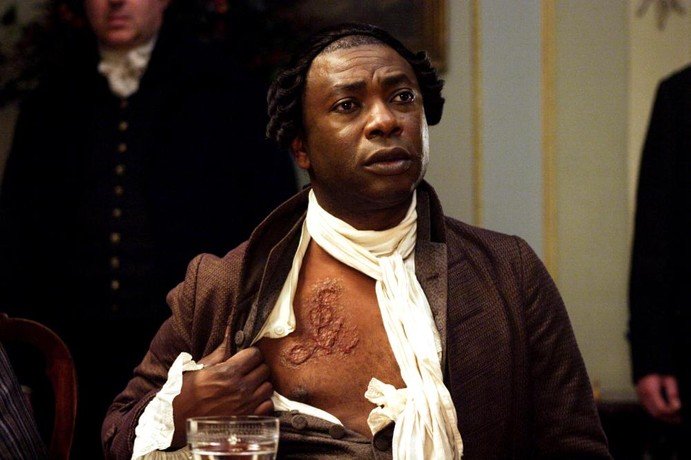
Youssou N’Dour
as Olaudah Equiano
Giving moral force to Wilberforce's political campaign was this former slave. Born in what is now Nigeria, Olaudah Equiano was kidnapped and enslaved as a child, but eventually traded and saved enough to buy his own freedom as a man. His autobiography became a key text in the abolitionists' cause.
Olaudah Equiano and William Wilberforce worked together as allies in the late 18th-century British abolitionist movement by combining grassroots activism with parliamentary action. Equiano provided firsthand accounts of enslavement to fuel the campaign, while Wilberforce acted as the leading voice in the movement in Parliament, using Equiano’s evidence to argue for the abolition of the slave trade.
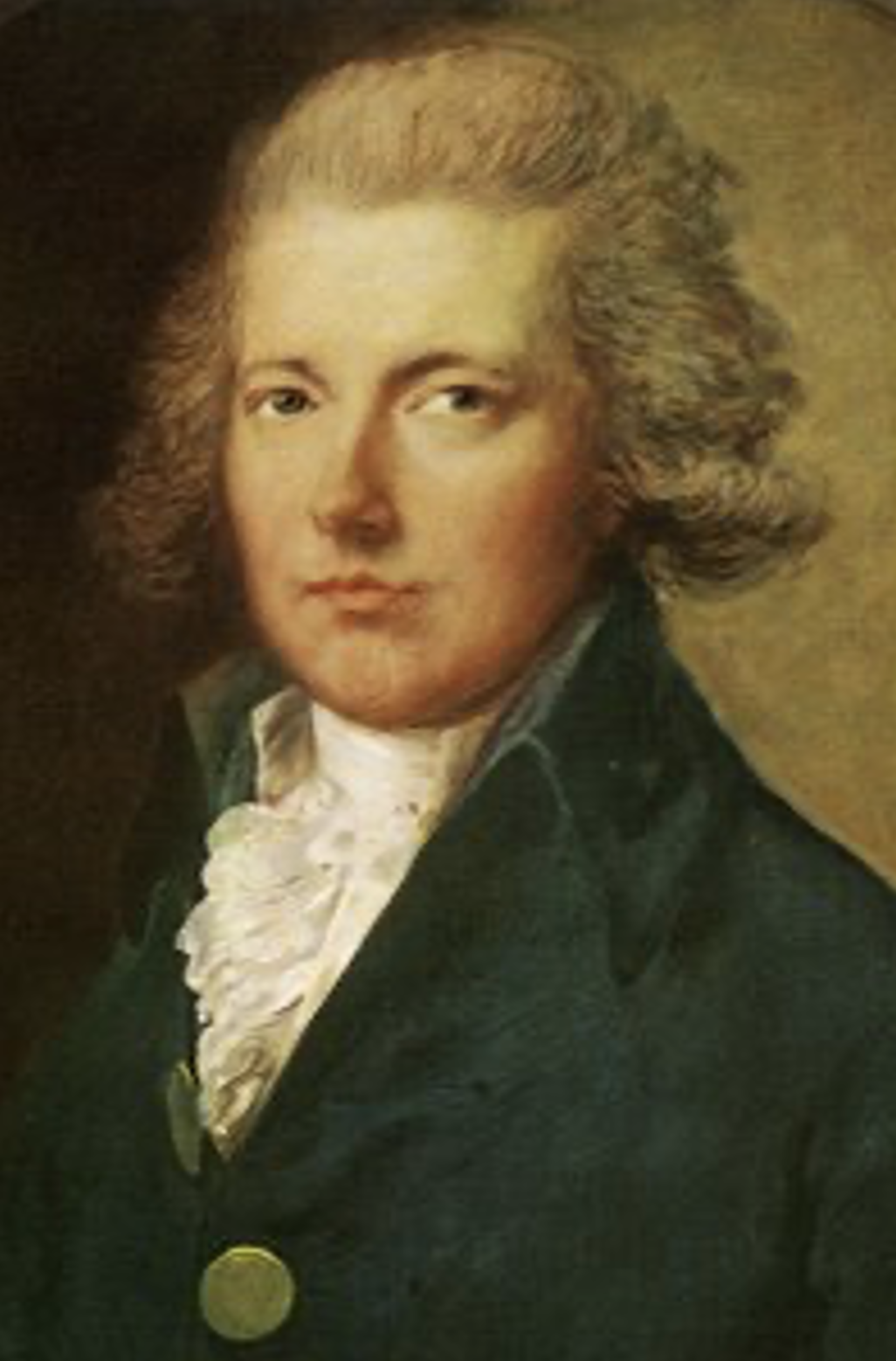
William Pitt the Younger
(1759-1806)
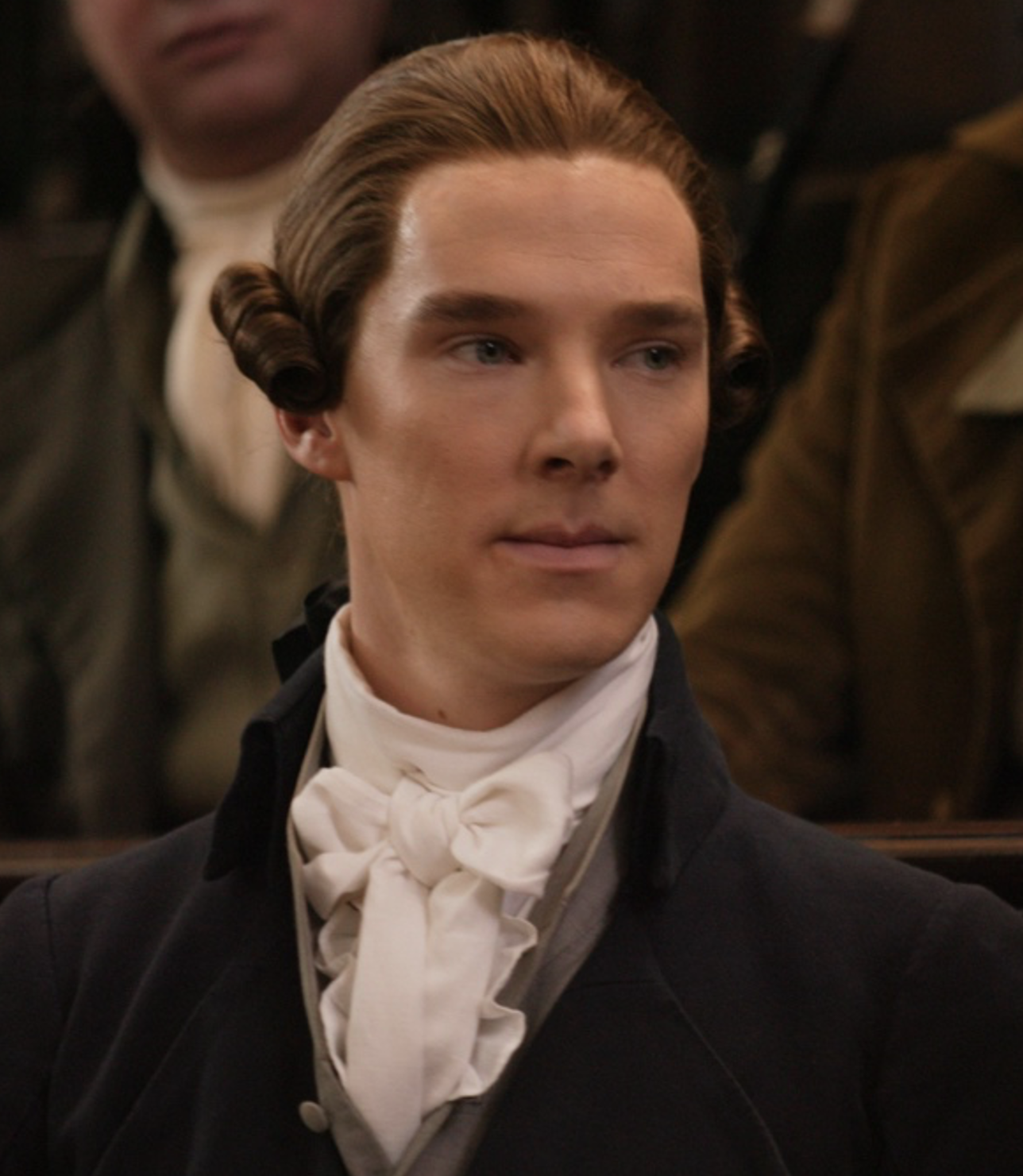
Benedict Cumberbatch
as William Pitt the Younger
William Pitt the Younger
William Pitt was elected Prime Minister at the age of 24. His friendship with William Wilberforce began when they were teenagers. Pitt can be credited for encouraging Wilberforce to lead the abolitionist movement through political means. In the film, Pitt pleads with Wilberforce saying “Wilber, I want you beside me all the way. You’re the best fighter in the House, and the best speaker.”
In 1793, however, when France declared war on England, William Pitt fell under political pressures to withdraw from the abolitionist movement to instead focus on the war, and the two men’s friendship suffered. But when Thomas Clarkson and Wilberforce crafted an anti-slave trade motion disguised as an anti-French bill, they reunited with Pitt and fought together once more. Pitt died in 1806, just a year before the slave trade was abolished.
Barbara Ann Spooner
(1771-1847)
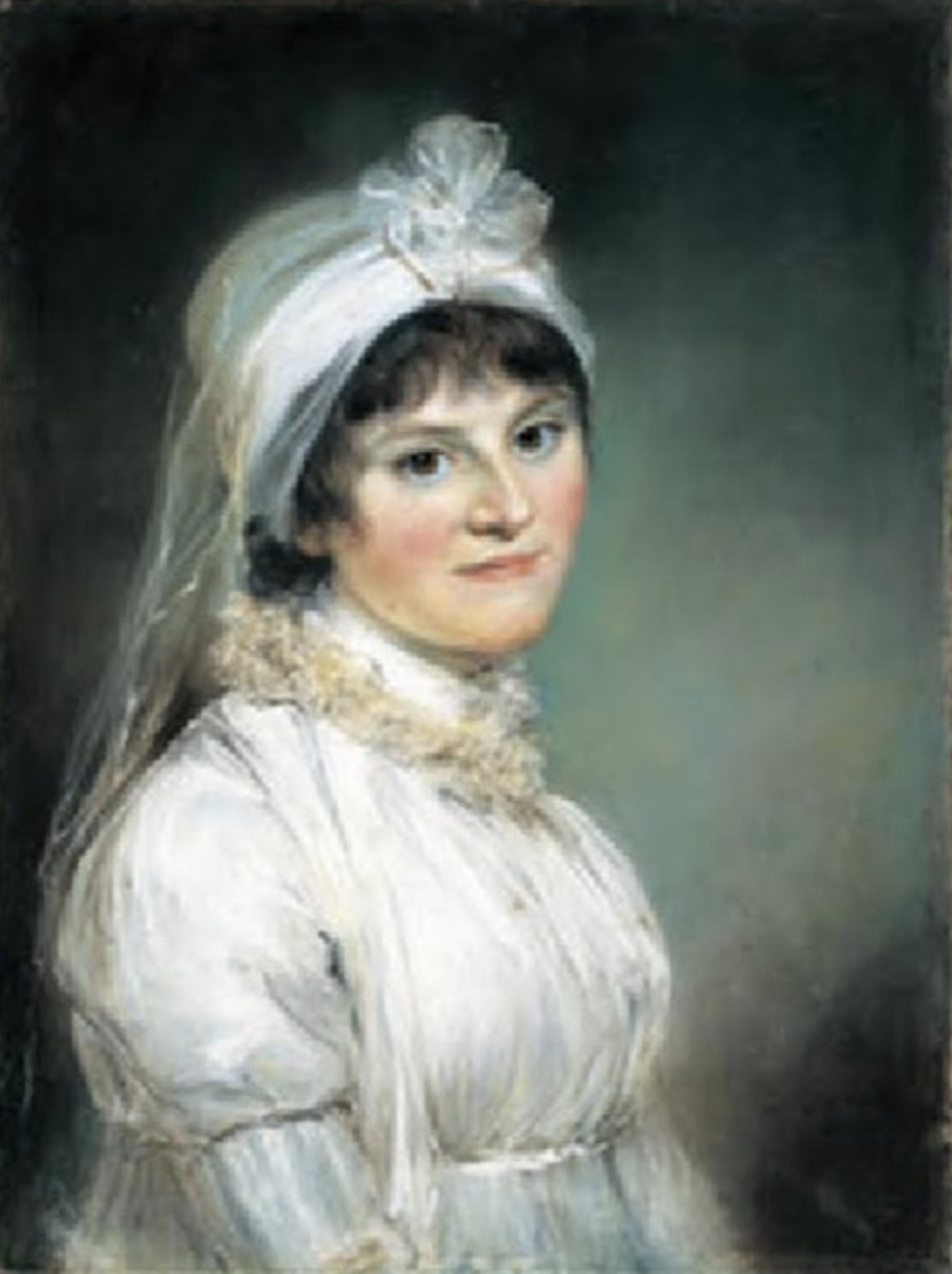
Romola Garai
as Barbara Spooner
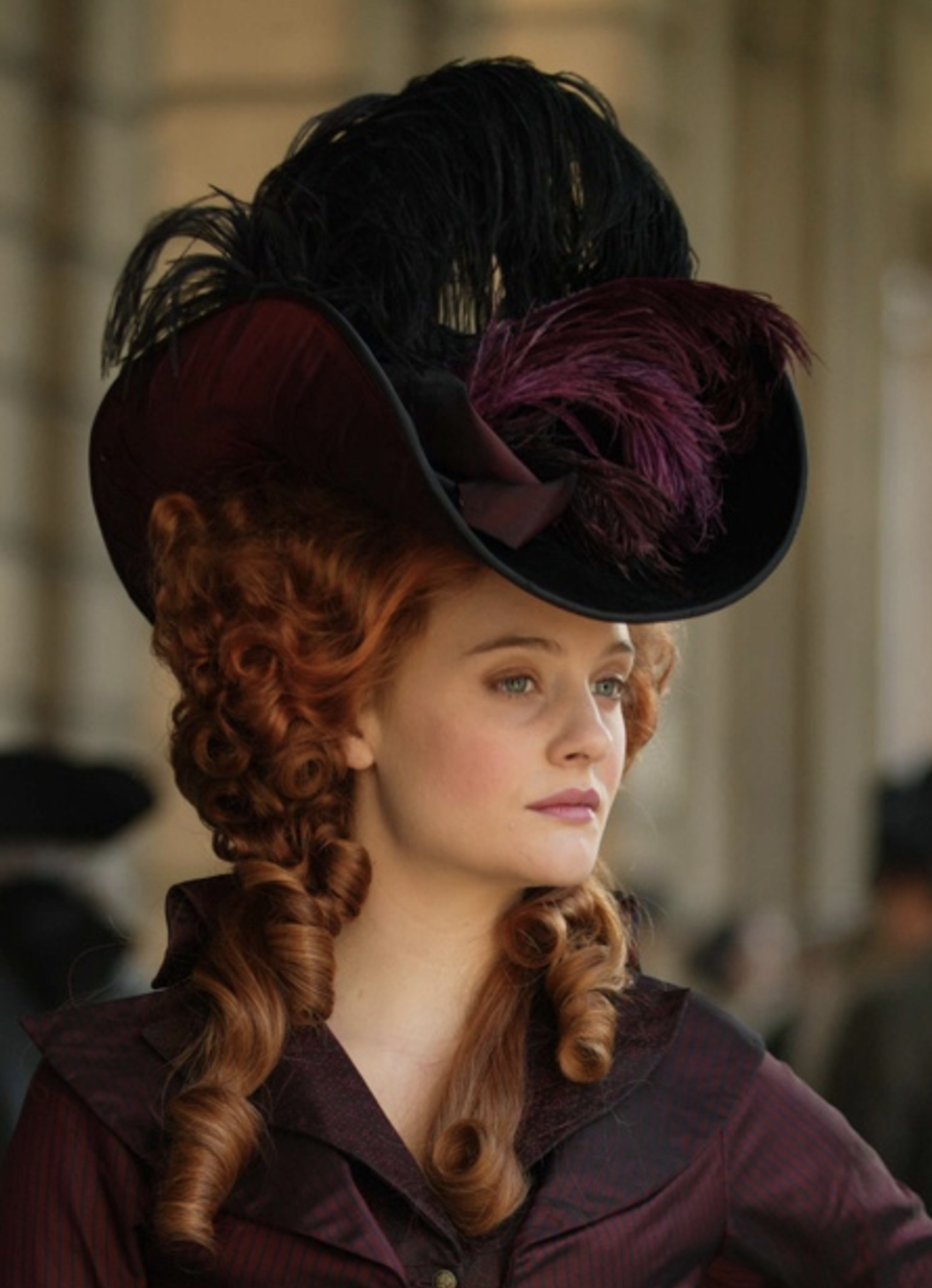
Barbara Ann Wilberforce (née Spooner)
Portrait by John Russell
Barbara Ann Spooner met William Wilberforce on April 15, 1797. Theirs was a whirlwind courtship; they were married on May 30, 1797. Her influence on his life was quiet but meaningful. She helped him with his many struggles with illness and fatigue, creating a stable, caring home environment that allowed him to continue his efforts.
Her support was especially important during the long, stressful parliamentary battles. Like Wilberforce, Barbara was deeply religious. Their shared faith strengthened Wilberforce’s moral resolve, which was central to his abolitionist work. His campaign against the slave trade wasn’t just political—it was driven by his religious convictions, which Barbara shared and encouraged. Together, they raised several children.
Thomas Clarkson
(1760-1846)
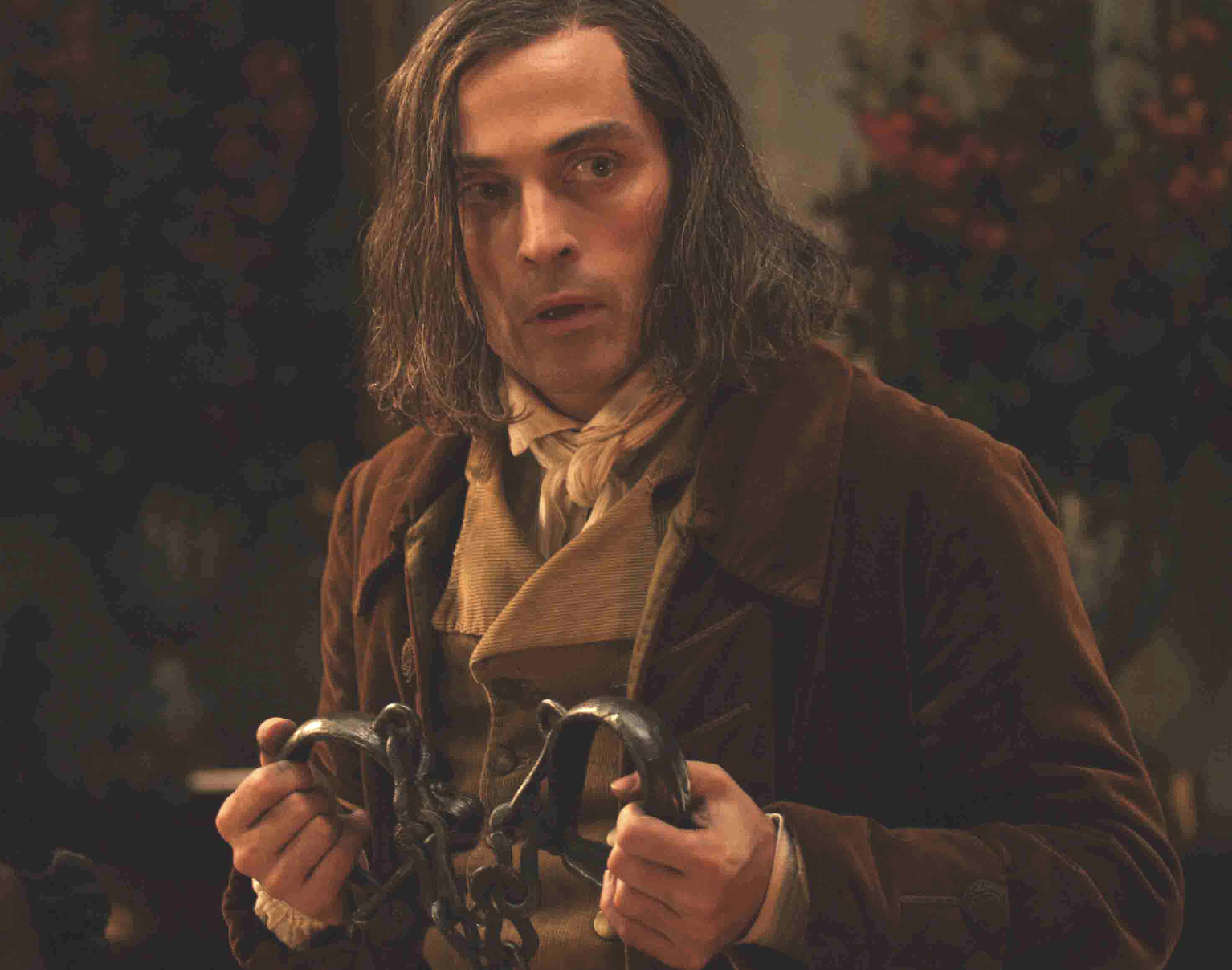
Rufus Sewell
as Thomas Clarkson
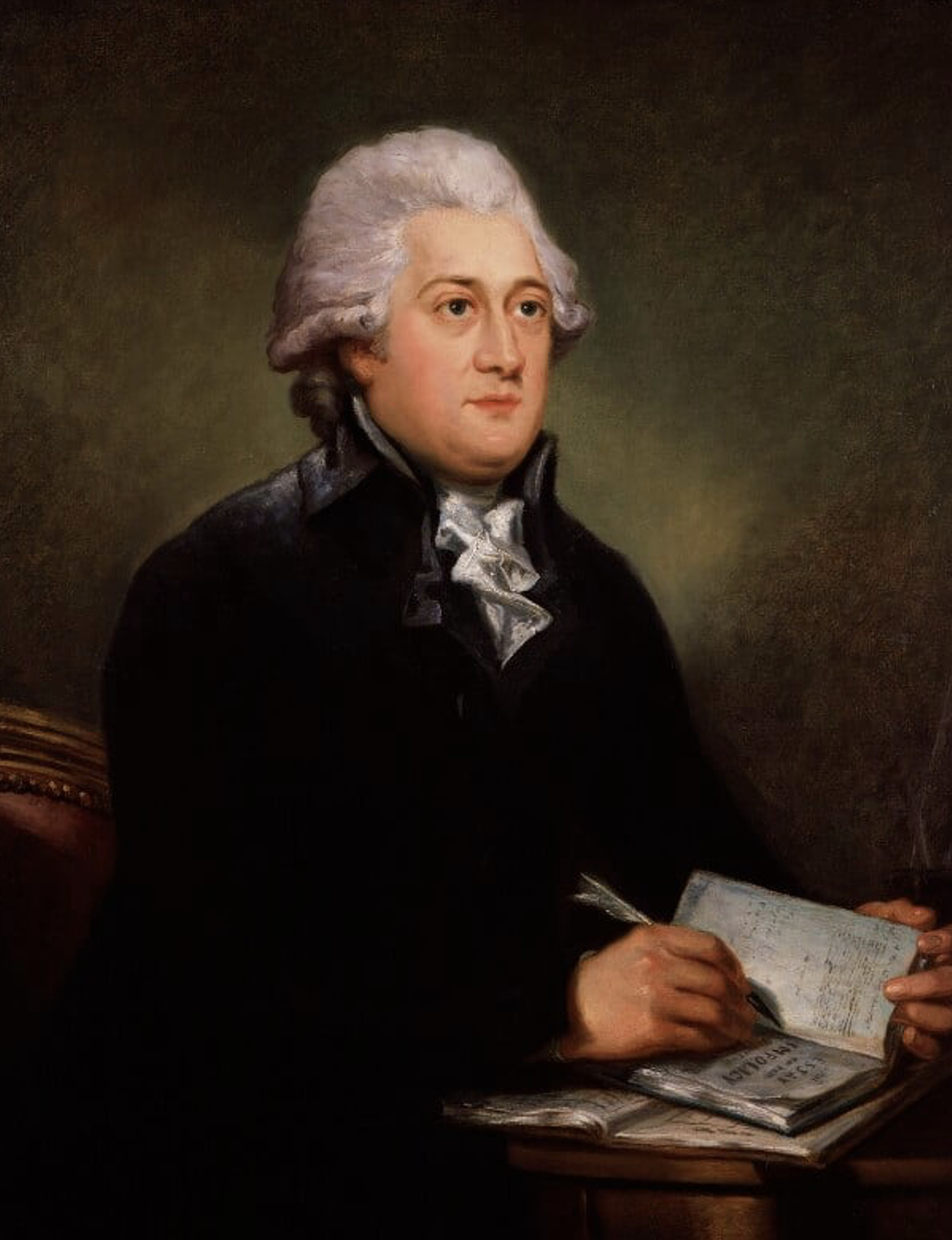
Thomas Clarkson
by Carl Fredrik von Breda
Thomas Clarkson was a man of deep conviction who devoted his life to battling the Atlantic slave trade. In Amazing Grace, Clarkson and several others active in abolition come to visit Wilberforce for the first time at Wilberforce’s house in Wimbledon, in 1782.
In the film, Wilberforce hosts a dinner for his guests, but the meal is interrupted suddenly when Clarkson hoists a heavy carpet bag onto the dining room table and takes out several of the brutal devices used on slaves. To Wilberforce’s horror, Clarkson demonstrates their use, then concludes his demonstration by offering a direct challenge to Wilberforce to take action against the evils of the slave trade.
In 1787, Thomas Clarkson, along with Josiah Wedgwood and members of the Quaker Church, helped establish the Committee for Abolition of the African Slave Trade. Clarkson then joined William Wilberforce in fighting to abolish slavery. Clarkson collected testimony from men who had worked on slave ships, also to be used as evidence before Parliament.
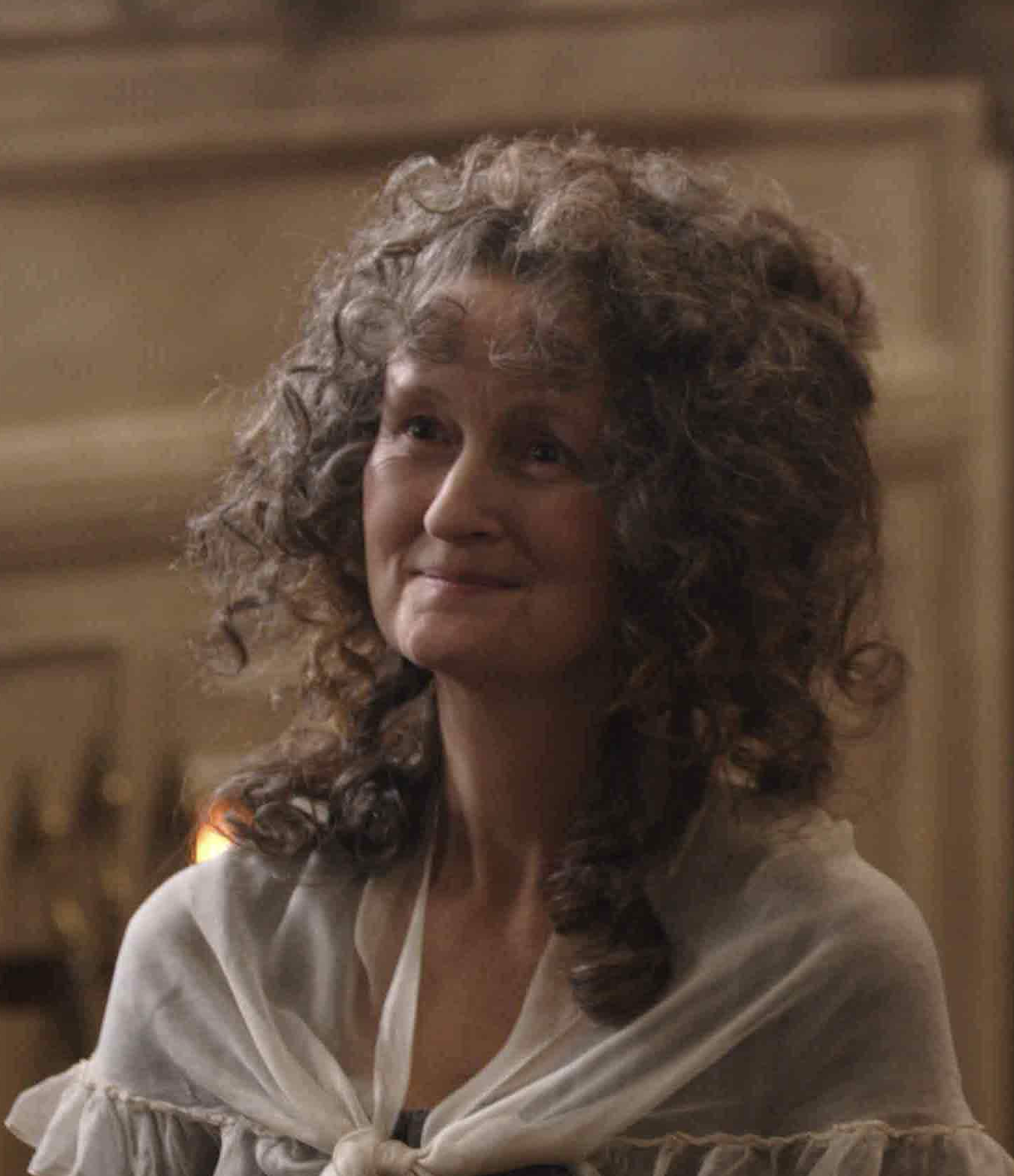
Hannah More
(1745-1833)
Georgie Glen
as Hannah Moore
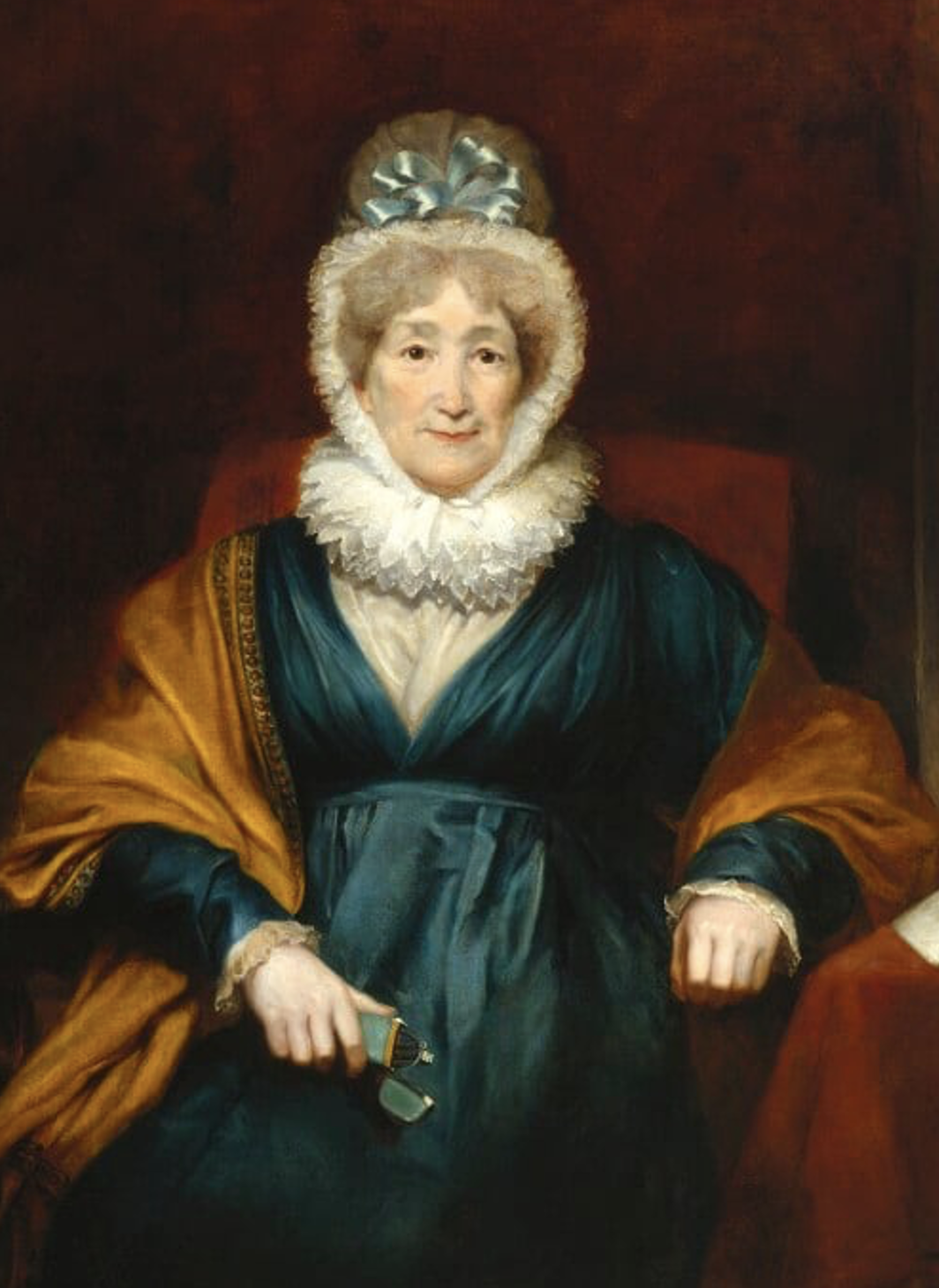
Hannah More
by Henry William
Pickersgill
Hannah More is considered one of the most important female abolitionists of her time. She was also very involved in the education of poor children in Great Britain and in other causes. She encouraged Wilberforce to write about his religious conversion, and also encouraged his involvement in the abolitionist movement.
In the film, Wilberforce’s involvement begins with a surprise visit from More, the former slave Olaudah Equiano, Thomas Clarkson, and a few Quakers. More and her fellow guests urge Wilberforce to lead their efforts to abolish slavery.
The Duke of Clarence
(1765-1837)
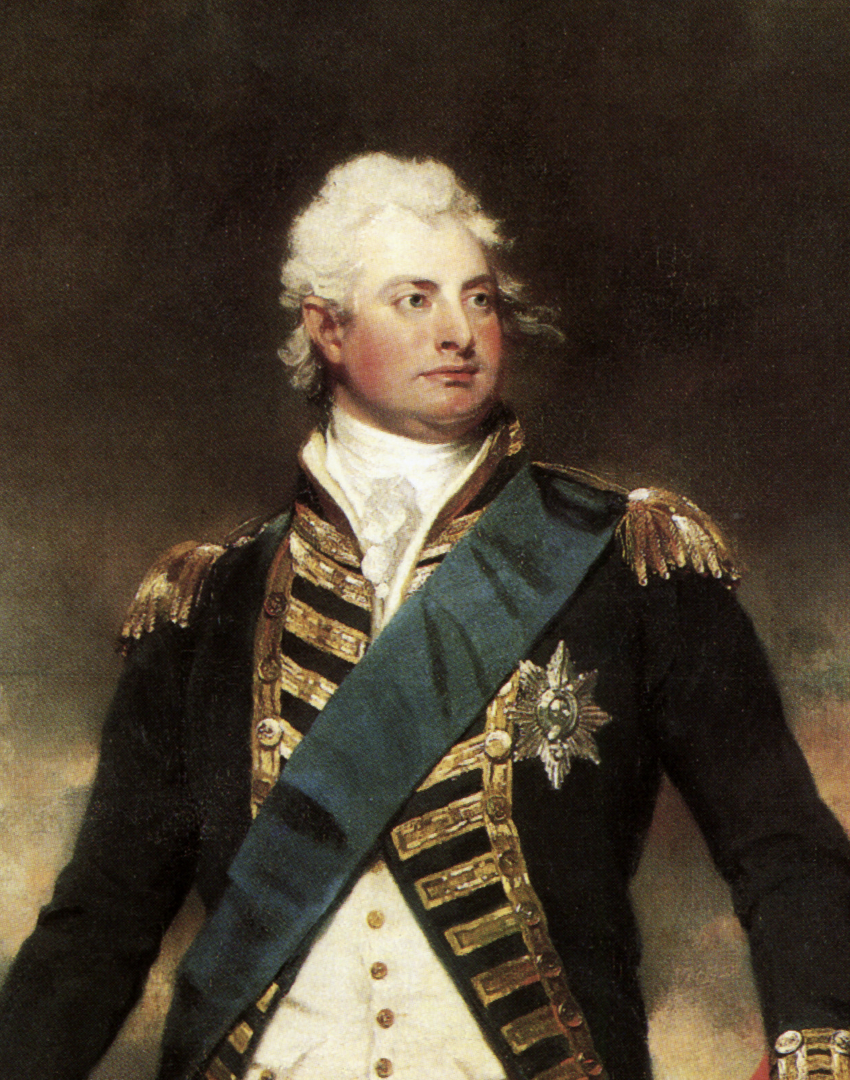
Toby Jones
as the Duke of Clarence
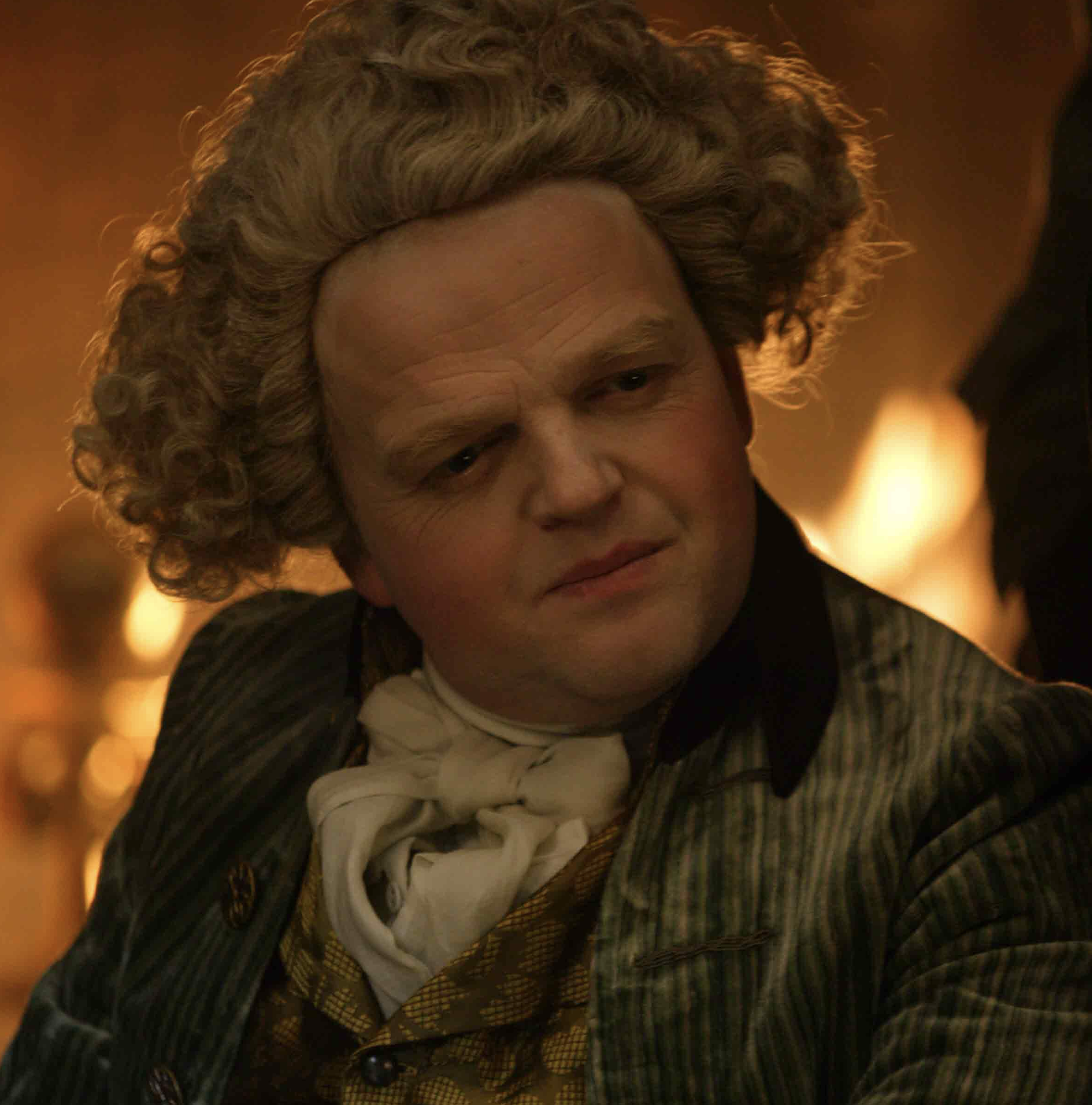
The Duke of Clarence
by Martin Arthur Shee
The Duke of Clarence was born William Henry, the third son of King George III. He started his naval career at the age of 13. He eventually became a captain in his early twenties in the West Indies and was later named the Duke of Clarence in 1789. He supported slavery because it was extremely profitable. He refused to believe accounts of mistreatment. In the film, while playing cards with Wilberforce, the Duke of Clarence requests that his African coach driver be a substitute as a form of payment. William Henry ascended to the British throne, becoming King in 1830.